
Push Pull Legs: 3, 4, 5 and 6-Day Splits
Push/pull/legs groups muscles by how they work together, creating three repeatable sessions that can fit almost any weekly training frequency.
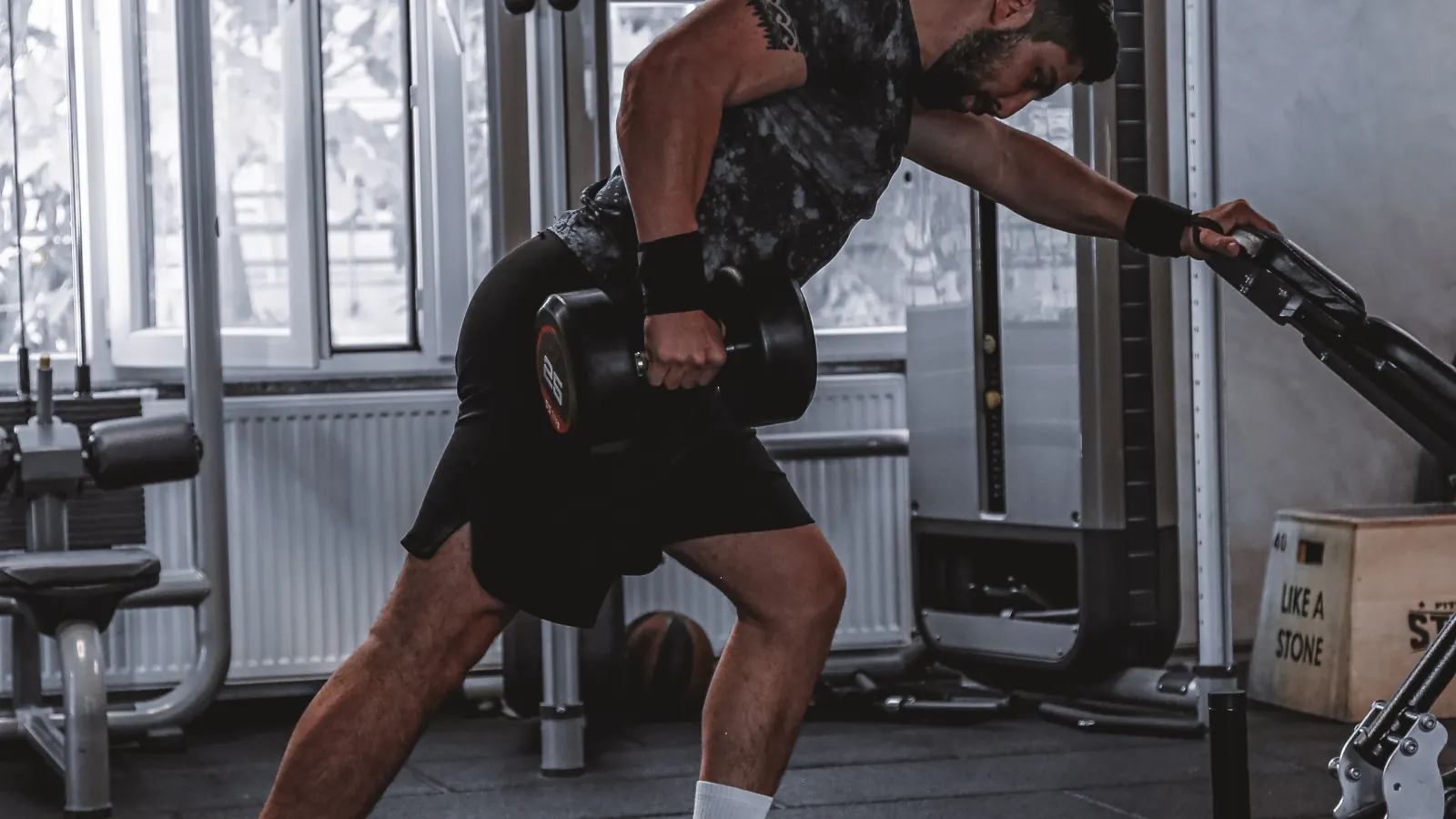
Key takeaways
- Push trains the chest, shoulders, and triceps; pull trains the back, biceps, forearms, and rear delts; legs trains the lower body.
- Three days is the most sustainable PPL schedule for most lifters.
- Four- and five-day versions rotate across multiple weeks.
- Six days trains every category twice weekly but demands significantly more recovery.
- Exercise selection can change while the push, pull, and leg structure stays the same.
What is push/pull/legs?
Push/pull/legs organizes training around movement patterns. Pressing muscles work together on push day, pulling muscles work together on pull day, and the lower body has a dedicated leg day.
Grouping related muscles reduces unnecessary overlap. After push day, the chest, shoulders, and triceps can recover while you train the back or legs.
3-, 4-, 5-, and 6-day schedules
Three days provides a fixed Monday, Wednesday, Friday structure. Four and five days continue rotating through the three sessions, so the workout performed twice changes each week.
Six days repeats the complete sequence twice. It offers high frequency and volume but should be reserved for lifters who have built the work capacity and recovery habits to support it.
Sample schedule
- 3 days: Push, pull, legs with a rest day between sessions
- 4 days: Rotate PPL continuously across a three-week cycle
- 5 days: Rotate five sessions weekly and resume where you stopped
- 6 days: Push, pull, legs, push, pull, legs, then rest
Complete 3-day push/pull/legs plan
Push
| Exercise | Sets | Reps |
|---|---|---|
| Barbell bench press | 3 | 6–10 |
| Dumbbell incline press | 3 | 8–12 |
| Dumbbell shoulder press | 3 | 10–12 |
| Cable fly | 3 | 12–15 |
| Dumbbell lateral raise | 3 | 12–15 |
| Rope triceps pushdown | 3 | 12–15 |
Pull
| Exercise | Sets | Reps |
|---|---|---|
| Barbell bent-over row | 3 | 6–10 |
| Cable lat pulldown | 3 | 8–12 |
| Seated cable row | 3 | 10–12 |
| Dumbbell shrug | 3 | 10–12 |
| Barbell biceps curl | 3 | 12–15 |
| Face pull | 2–3 | 15–20 |
Legs
| Exercise | Sets | Reps |
|---|---|---|
| Barbell squat | 3 | 6–10 |
| Dumbbell Romanian deadlift | 3 | 10–12 |
| Machine leg extension | 3 | 12–15 |
| Machine seated leg curl | 3 | 12–15 |
| Seated calf raise | 3 | 12–15 |
| Cable crunch | 3 | 15–20 |
12 effective push, pull, and leg exercises
Bench press
Muscles trained: Chest, front delts, and triceps
Use a stable upper back, controlled descent, and a grip that keeps the forearms near vertical.
Incline bench press
Muscles trained: Upper chest, shoulders, and triceps
Use a moderate incline and lower the weight under control.
Overhead press
Muscles trained: Shoulders, triceps, and core
Keep the ribs controlled and finish with the weight stacked overhead.
Floor press
Muscles trained: Chest and triceps
Pause the upper arms lightly on the floor before pressing.
Bent-over row
Muscles trained: Back, rear delts, and biceps
Maintain a stable torso and row toward the lower ribs.
Pull-up or chin-up
Muscles trained: Lats, upper back, and biceps
Begin from a controlled hang and drive the elbows down.
Seated cable row
Muscles trained: Lats, rhomboids, and biceps
Avoid turning the movement into repeated torso swings.
Barbell curl
Muscles trained: Biceps and forearms
Keep the upper arms quiet and use a full comfortable range.
Barbell squat
Muscles trained: Quads, glutes, and trunk
Brace before descending and keep the feet planted.
Bulgarian split squat
Muscles trained: Quads and glutes
Use a stance that allows the front foot to remain stable.
Romanian deadlift
Muscles trained: Hamstrings, glutes, and back
Push the hips back while keeping the weight close.
Glute-ham raise
Muscles trained: Hamstrings and glutes
Control the lowering phase and use assistance when needed.
Benefits and limitations
- Simple categories make programming easy to understand.
- Related muscles are trained together with little accidental overlap.
- The three workouts can support several weekly frequencies.
- Exercise substitutions do not change the basic structure.
- Three days only trains each muscle directly once per week.
- Four- and five-day schedules shift from week to week.
- Six days can be difficult to recover from and leaves little scheduling flexibility.
Who should use PPL?
Three-day PPL suits beginners and intermediates who enjoy dedicated movement days. A six-day plan fits advanced lifters who need more volume and can recover from frequent training.
Place rest days where performance begins to decline. There is no requirement to complete all three sessions without a break.
Frequently asked questions
Is PPL good for building muscle?
Yes. It provides a clear way to accumulate weekly volume and can be adjusted to several frequencies.
Is PPL better than upper/lower?
Neither is universally better. Upper/lower fits four days naturally, while PPL fits three or six days most cleanly.
Can beginners do six-day PPL?
They can, but it is rarely necessary. Three days provides ample training and more time to practice recovery habits.
Where should abs go?
Add core work after legs or distribute a few sets across two or three sessions.